
Category: Latinos
-
Why Many Latinas Feel Unseen in Love

Elena’s experiences highlight a common struggle among many Latinas, who often feel unseen in relationships due to being taught to prioritize others over themselves. This self-neglect can lead to emotional exhaustion and unhealthy patterns. Healing begins with self-love, setting boundaries, and recognizing one’s inherent worth, fostering healthier connections.
-
The Hidden Costs of Staying in Unhappy Marriages

Mariana reflects on her upbringing in a Latino household where her parents stayed together not for love but due to societal pressures and cultural expectations. Silence masked their unhappiness, creating a burdensome environment for children. This cycle of endurance and emotional neglect poses challenges for future generations, emphasizing the need to redefine love and prioritize…
-
When Keeping the Peace Meant Losing Yourself

The content discusses the journey of individuals, particularly in Latino families, who have learned to prioritize others’ emotions over their own. It illustrates how this habit, while adaptive in childhood, can lead to exhaustion and guilt in adulthood. Ultimately, it encourages breaking this pattern and nurturing one’s own emotional needs to achieve a healthier balance.
-
Why Insight Alone Won’t Spark Change: Key Insights

The concept of “high insight, low change” describes the frustration of understanding one’s behavior without being able to change it. Insight alone isn’t enough for transformation, as true change requires action, small steps, and support from others. Recognizing this can help break through emotional exhaustion and promote progress.
-
Understanding Boundaries: Empowering Yourself in Relationships

Marisol struggles with family gatherings filled with criticism, leading her to realize the importance of understanding boundaries, rules, standards, and expectations. By redefining her boundaries and acknowledging her expectations, she gains clarity and autonomy in her decisions. Ultimately, she chooses to prioritize her needs over her family’s reactions, fostering self-respect.
-
Understanding First-Generation Immigrant Emotions
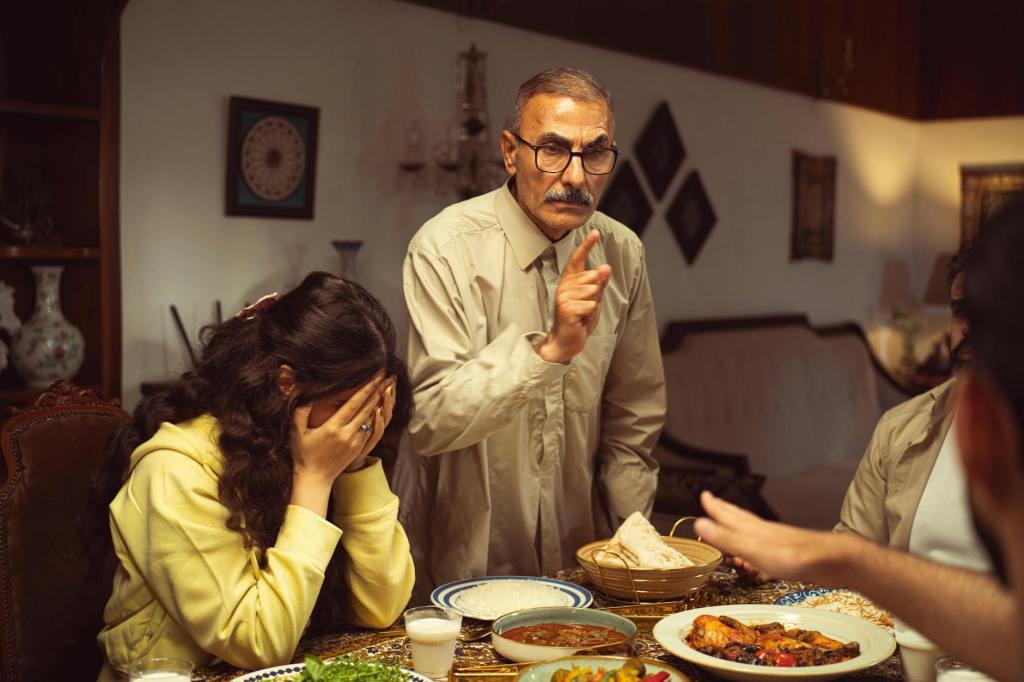
The content explores the generational conflict within immigrant Latino families, highlighting the sacrifices made by parents for their children’s better lives. It emphasizes the struggle between emotional awareness and the survival mentality of parents, suggesting that both can coexist. Healing stems from understanding each other’s experiences and redefining strength together.
-
Emotional Healing for Latino Men: Breaking the Silence

Many Latino men were raised believing emotions are a sign of weakness. Learn how emotional suppression affects relationships and how therapy can help men build healthier connections.
-
Reclaiming Identity: Latinas and Machismo Culture

There’s a particular kind of exhaustion that comes from being told who you are before you ever get to decide for yourself. For many Latinas growing up in communities shaped by machismo, identity is handed to us early — often before we even understand what it means. We are called exotic. Spicy. Feisty. Our bodies are noticed before…
-
Navigating Family Dynamics in Collectivist Cultures

A Story You Might Recognize Marisol started distancing herself from family gatherings in her late twenties. It wasn’t dramatic. She didn’t make an announcement. She just stopped staying as long. She stopped answering certain group chats. She stopped sharing personal updates. Every time she showed up, the same pattern repeated:Her aunt would comment on her…
-
When Money Becomes a Wound: Financial Trauma in Latino Families

Many Latinos experience financial trauma from a young age, leading to guilt and anxiety around money. Childhood messages about scarcity create adult behaviors like guilt-driven spending or emotional spending as coping mechanisms. Financial literacy is often lacking in these communities. Healing involves recognizing these patterns and separating self-worth from financial outcomes.

